


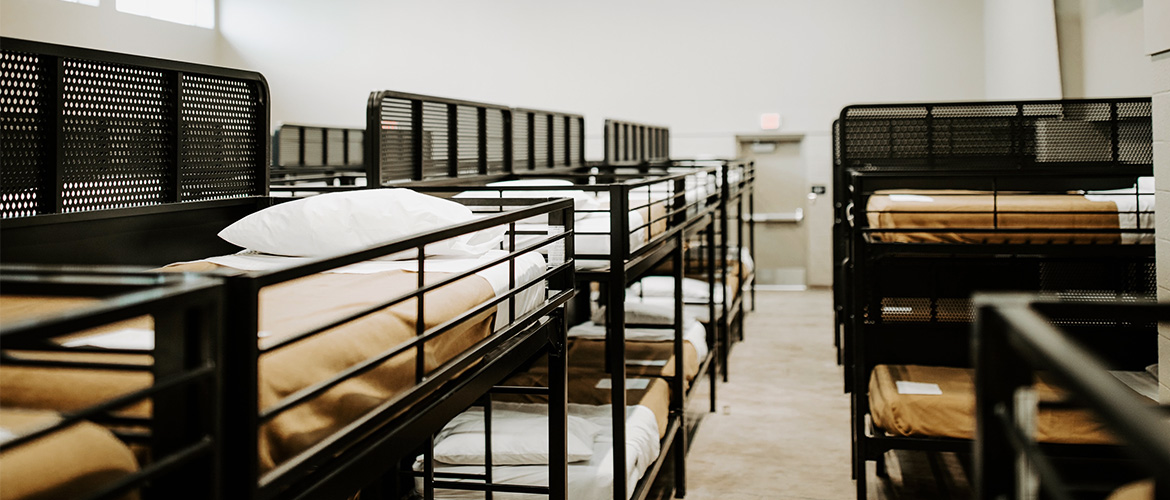
The rise in Oklahoma City’s homeless population has slowed over the past few years, and Blue Cross and Blue Shield of Oklahoma is working with local organizations to ensure the city’s vulnerable continue to receive the shelter and health care they need.
Last year, the number of people experiencing homelessness in the city grew 2.4%, a major decline from the 28% growth rate between 2023 and 2024, according to a recent point-in-time count. The significant decline suggests outreach efforts are working.
Despite this, the city’s only permanent low-barrier night shelter provider City Care is seeing an influx of people navigating homelessness for the first time, including a 35% increase in those 65 years and older.
To continue helping keep people discharged from the hospital system off the streets, BCBSOK recently awarded City Care with a $60,000 grant to invest in the nonprofit’s medical respite work in Oklahoma City. The funds will help strengthen staff training, buy medical supplies and provide transportation to follow-up care as City Care works to build a new respite center it plans to open in 2027.
The investment is part of BCBSOK’s Blue ImpactSM major grant program, which supports nonprofit organizations addressing social and economic factors affecting health. The company awarded more than $993,000 in Blue Impact grants in 2025 to 21 nonprofits across the state.
City Care also received a Blue Impact grant in 2023, and BCBSOK employees have been volunteering their time at the nonprofit since 2021.
“A huge benefit of this grant is that we are able to focus on folks who have no business being outside in the elements because they are elderly or have complex medical needs,” City Care CEO Rachel Freeman says. “We’re better able to get them into permanent housing as quickly as possible.”
City Care's night shelter in OKC is open seven days a week, 365 days a year from 6 p.m. to 7 a.m. Each night, guests fill the shelter’s 140 beds. It’s shelter in Norman has another 52 beds. The nonprofit typically serves about 2,000 unique people each year between both night shelters
It’s the city’s only permanent low-barrier shelter, meaning participants aren’t required to commit to rehabilitation programs and may stay for as many nights as needed.
Each person who enters the shelter meets with an intake coordinator within 36 hours to complete a needs assessment. The goal is to take steps toward securing housing, employment, and medical and behavioral health needs.
Without access to a housing navigator, it takes people about 22 months to secure housing, compared with nearly 12 weeks when working with City Care’s housing services, Freeman says. Last year, the organization connected nearly 170 people to permanent housing.
“For people experiencing homelessness, illness or injury can be overwhelming without a safe place to recover,” says Brooke Townsend, BCBSOK, director of Community Affairs. “City Care’s medical respite offers more than a bed. It offers compassion, stability, and a path forward.”
The nonprofit also operates a no-cost mobile outreach engagement shuttle program. The shuttles make 16 different stops each day helping people get to pharmacies, the DMV, and Social Security office among other places. About 1,000 people utilize the service each month, particularly those with barriers to transportation.
Many night shelter guests are recently discharged from the hospital and need continuous care for bed sores, mobility issues, open wounds and other health problems. When completed in 2027, the respite shelter will house 40 beds and partner with local health systems to keep people off the streets and help them begin their path toward stable housing after they’re discharged.
“Some of our residents were born here, they live here, and become homeless here,” says Freeman. “We believe that housing is a human right, and homelessness is a community issue that deserves a community response.”